
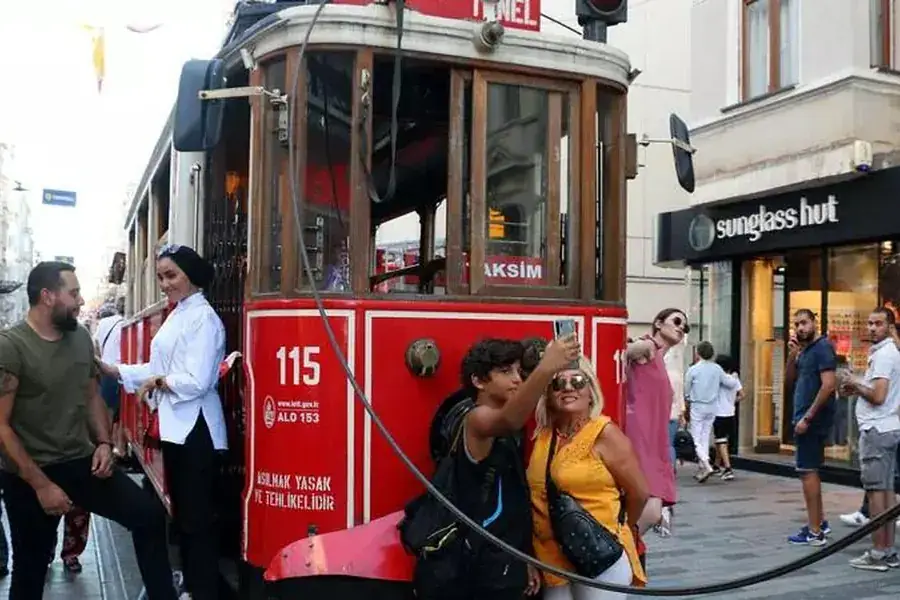
These Istanbul travel tips are written for first-time visitors who want a smooth trip: what to know about money, dress and etiquette, which airport to use, where to stay, how many days you need and how to get around. They come from a local team that has been showing people the city for decades.
Istanbul is a welcoming, easy city to visit once you know a few basics. Most of the advice below is common sense, but it will save you time, money and the occasional bad surprise.
Things to know before travelling to Istanbul
Etiquette and dress
- Ask before you photograph people, especially in markets and residential streets.
- Take off your shoes when you enter a mosque or someone's home. In mosques, cover shoulders and knees; women should also bring a scarf to cover their hair. Mosques close to visitors during prayer times, so plan around them.
- Alcohol is easy to find in licensed restaurants, bars and hotels, but shops do not sell it late at night, and drinking in the street near mosques is frowned upon.
Money and shopping
- The currency is the Turkish lira (TL). Visa and Mastercard are widely accepted; American Express less so. Keep some cash for small cafés, taxis and markets.
- Use ATMs of major banks, and change money only at banks or licensed exchange offices, never with people on the street. Traveller's cheques are hard to cash and expensive.
- Bargaining is normal in the bazaars. Compare prices in a few shops before buying carpets, jewellery or souvenirs.
- Check the bill in restaurants before you pay, and ask about prices in advance where there is no menu.
Safety and practicalities
- Carry your passport (or at least a copy, with the original in the hotel safe).
- Most locals drink bottled or filtered water rather than tap water, and so should you.
- Avoid people selling tours on the street. Book with a licensed agency or online.
- Eat where locals eat. If a restaurant is full of Istanbul families, it is usually a good sign.
General information
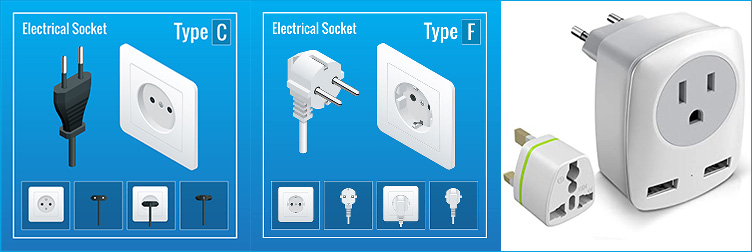
- Electricity: sockets are type F (and the two-pin type C plugs also fit), with 230 V and 50 Hz. Travellers from the UK, US and other countries with different plugs need an adapter; many hotels can lend one at reception.
- Currencies: euros, US dollars and pounds sterling are the easiest to exchange.
- Time zone: Turkey uses UTC+3 all year round, with no summer time change.
- Weather: Istanbul has four distinct seasons (more below).
- Lifestyle: the city mixes East and West, ancient and modern, on two continents.
Best things to do in Istanbul
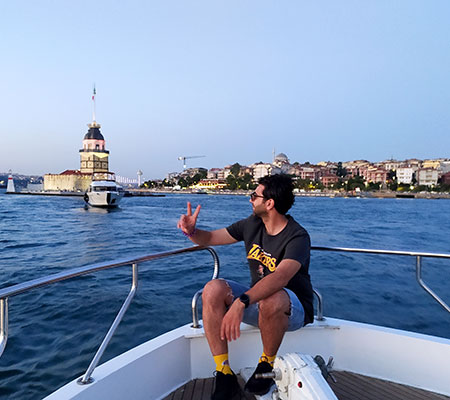
Take a Bosphorus cruise
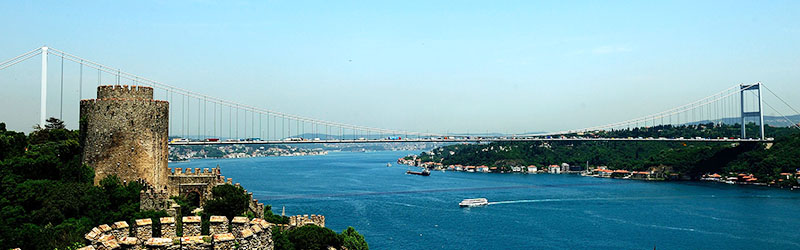
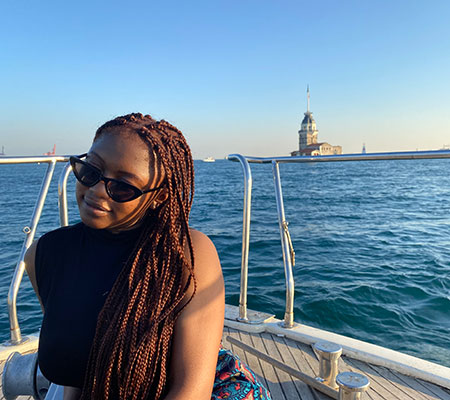
The Bosphorus is the strait that divides Istanbul between Europe and Asia, and its shores are lined with landmarks from many empires: Galata Tower, the Maiden's Tower, Dolmabahçe and Beylerbeyi palaces, Rumeli Fortress and more. Seeing them from the water is the best introduction to the city. Read our guide to the Bosphorus Strait for the history.
There are several ways to do it, and our guide on which Bosphorus cruise to take compares them in detail:
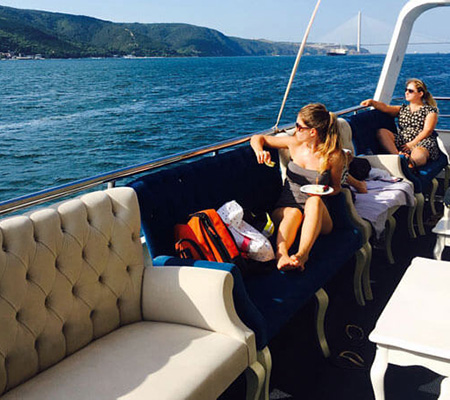
- A shared sunset cruise with snacks and drinks is a relaxed way to end a day of sightseeing and watch the skyline light up.
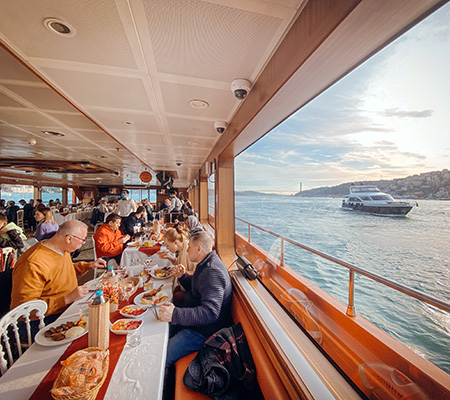
- A full-day Bosphorus and Black Sea cruise with a guide and lunch goes all the way up the strait; a shorter lunch cruise suits travellers with less time.
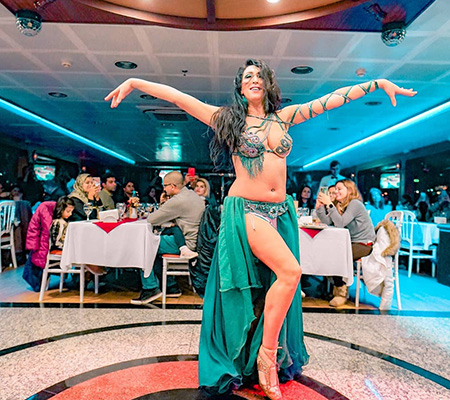
- A dinner cruise with a Turkish night show combines dinner with whirling dervish, folk dance and belly dance performances. It is the most popular evening option with visitors.
- For a group, family or company, a private yacht with captain and crew for your group only is the most flexible choice.

Explore the old city of Sultanahmet
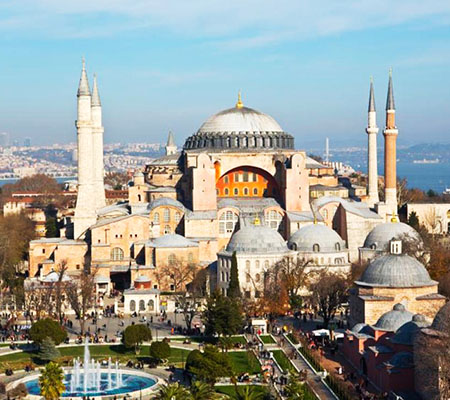
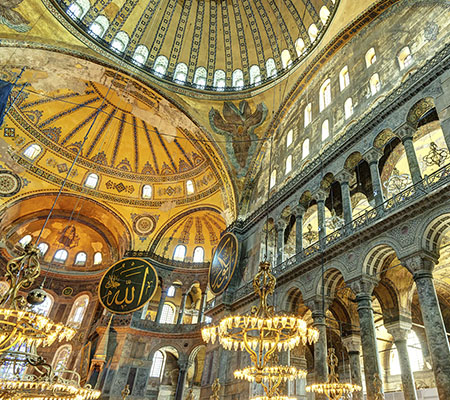
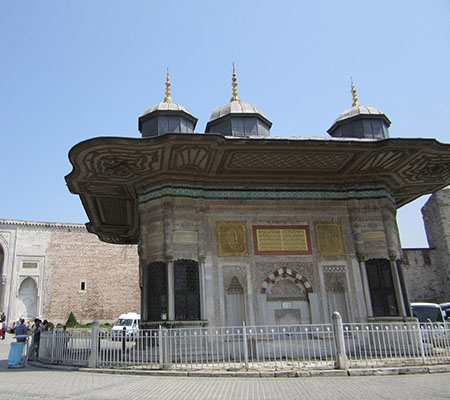
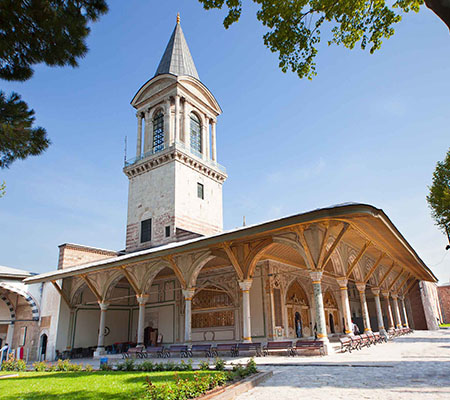
Sultanahmet was the heart of both the Byzantine and Ottoman capitals, and most of the city's best-known monuments stand within walking distance of each other: Hagia Sophia, Topkapı Palace, the Blue Mosque, the Basilica Cistern and the Grand Bazaar. A local guide makes a real difference here, explaining the history and helping you plan around queues and prayer times. Our guided old city tour covers the main sights in a day.
Walk through Fener and Balat
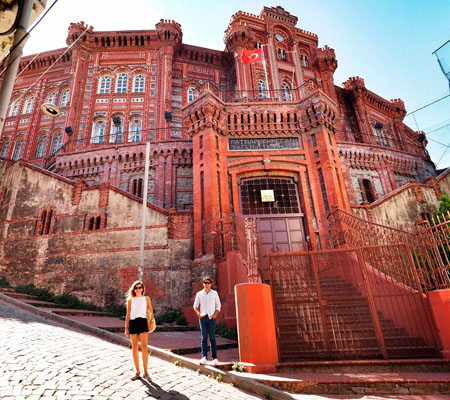
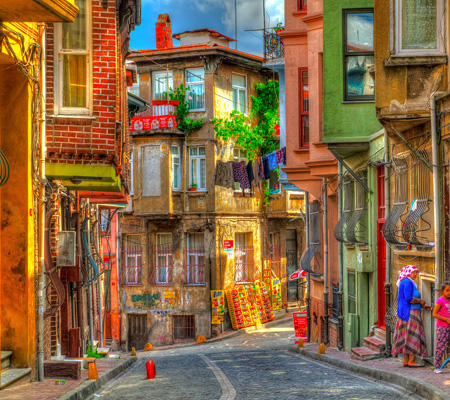
The colourful houses of Fener and Balat on the Golden Horn have become famous on social media, but the districts are much more than a photo backdrop. Churches, mosques and synagogues stand side by side here, a reminder of the Greek, Jewish and Armenian communities who once lived in the area. Some churches are often closed, so a guide who knows the area can help you see more.
Shop in the Grand Bazaar and the Spice Bazaar
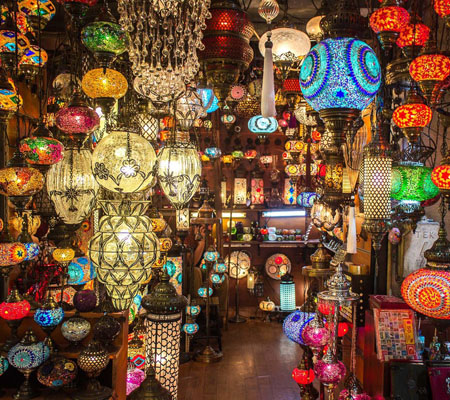
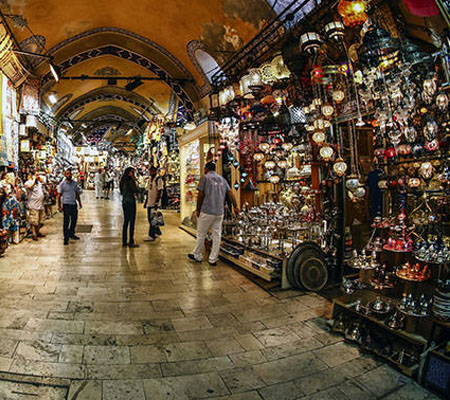
The Grand Bazaar is one of the oldest and largest covered markets in the world, with thousands of shops selling carpets, gold, silver, ceramics and lamps. Nearby in Eminönü, the Spice Bazaar (Egyptian Bazaar) is where locals buy spices, cheese, dried fruit and Turkish delight.
More ideas
- Take the cable car up to Pierre Loti Hill in Eyüp for tea with a view over the Golden Horn.
- Climb Galata Tower, about 63 metres tall and run as a museum since 2020, for a 360-degree view of the city.
- Escape the city on a Princes' Islands tour. Private cars are not allowed on the islands, so people get around by bicycle, on foot or in small electric vehicles.
- Visit the Ottoman palaces: Topkapı, Dolmabahçe, Beylerbeyi and Çırağan.
Best time to visit Istanbul, and safety
Weather by month
Summers are hot and humid, spring and autumn are mild with some rain, and winters are cool, wet and occasionally snowy. Average temperatures and rainfall:
| Jan | Feb | Mar | Apr | May | Jun | Jul | Aug | Sep | Oct | Nov | Dec | |
|---|---|---|---|---|---|---|---|---|---|---|---|---|
| Min °C | 3 | 2 | 3 | 7 | 12 | 16 | 18 | 19 | 16 | 13 | 9 | 5 |
| Max °C | 8 | 9 | 11 | 16 | 21 | 25 | 28 | 28 | 24 | 20 | 15 | 11 |
| Rainfall (mm) | 109 | 92 | 72 | 46 | 38 | 34 | 34 | 30 | 58 | 81 | 103 | 119 |
Summer is the busiest season, with long queues at the main sights and higher hotel prices. Spring (April to early June) and autumn (September to November) are the best times to visit: the weather is pleasant, crowds are smaller and hotels are often cheaper.
Is Istanbul safe to visit?
For the most part, yes. Istanbul is a safe city for travellers, and the main risks are the usual big-city ones: pickpockets in crowded places and overcharging. A few simple habits help:
- Carry only the cash you need; ATMs are everywhere.
- Make sure the taxi meter is switched on, and pay what it shows.
- Use public transport rather than renting a car; traffic is heavy and parking difficult.
- Stay in a well-connected area such as Sultanahmet, Karaköy, Galata or Taksim.
If you prefer someone else to handle the logistics, a private guided Istanbul tour is the most comfortable way to see the city.
Food and drink tips
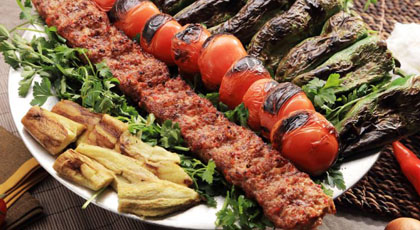
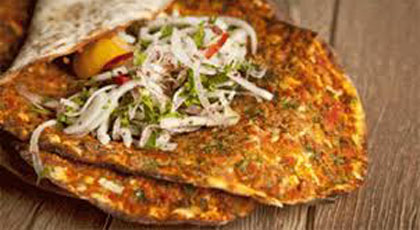
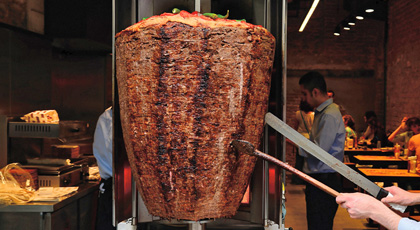
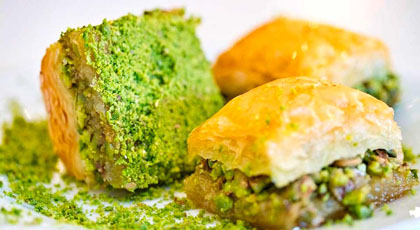
You can find almost any cuisine in Istanbul, but Turkish food is the reason to come. Try kebabs, lahmacun, mantı (Turkish dumplings), stuffed vine leaves, içli köfte, gözleme and döner. For dessert, look for baklava, kadayıf, Turkish ice cream, semolina halva and Turkish delight. To drink, try ayran, şalgam (turnip juice), Turkish wine and rakı.
Our list of the top things to eat in Istanbul goes into more detail, and the Istanbul food tour is ideal if you want a local to show you where to eat.
Airports and getting around Istanbul
Which Istanbul airport is better?
Atatürk Airport closed to passenger flights in 2019, so today you will fly into one of two airports:
- Istanbul Airport (IST) on the European side, about 40-50 km north-west of the centre. It is the main hub for most international flights and is linked to the city by the M11 metro and Havaist airport buses.
- Sabiha Gökçen Airport (SAW) on the Asian side, used mainly by low-cost airlines. It is linked by the M4 metro and Havabus buses, but the journey to Sultanahmet takes longer because you have to cross the Bosphorus.
Which is better depends on where you stay and on flight prices. Allow plenty of time for the transfer either way, as traffic can be very heavy. Many hotels can arrange a private transfer if you book it in advance.
Getting around the city
Driving in Istanbul is slow and stressful, so plan your stay around public transport. Choose a hotel near a tram or metro line and you can reach the historical areas quickly without sitting in traffic. The T1 tram links Sultanahmet, Eminönü, Karaköy and Kabataş, and ferries are the fastest way to cross between Europe and Asia.
Buy an Istanbulkart, the rechargeable travel card, from the machines at stations and piers. It works on trams, the metro, buses, ferries and funiculars, and you can top it up with cash or a card.
Where to stay and how many days you need
Best areas to stay
- Sultanahmet: the most popular area for first-time visitors, from guesthouses to luxury hotels. You can walk to the main sights, but prices are higher.
- Laleli and Aksaray: cheaper hotels a short tram ride from Sultanahmet. Quality varies, so read recent reviews carefully, especially if you are travelling as a family.
- Taksim: lively, with plenty of restaurants and good metro links; prices sit between Sultanahmet and Laleli.
- Karaköy and Galata: between the old city and Taksim, with stylish hotels and easy tram access.
Our guide on where to stay in Istanbul compares the neighbourhoods in more detail.
How many days do you need in Istanbul?
Three to five days is enough for a first visit: two days for the old city, one for the Bosphorus and the modern districts, and extra days for the islands, Fener and Balat or the Asian side. The city has had many names over the centuries, including Byzantion, Nova Roma, Constantinople and Kostantiniyye, and every layer of that history is worth time. See our Istanbul trip ideas for sample itineraries.
Frequently asked questions
Which airport is closer to central Istanbul?
Both are a long way out. Istanbul Airport is on the European side, which is usually more convenient for Sultanahmet, Taksim and Galata; Sabiha Gökçen is on the Asian side, so transfers to the old city take longer.
Can I drink tap water in Istanbul?
Tap water is treated, but most locals drink bottled or filtered water, and visitors are advised to do the same.
How many days do I need in Istanbul?
Three to five days is ideal for a first visit, enough for the old city, a Bosphorus cruise and one or two neighbourhoods beyond the main sights.
What should I wear to visit mosques in Istanbul?
Cover your shoulders and knees, and women should bring a scarf for their hair. You take your shoes off at the entrance, and mosques close to visitors during prayer times.
What is the best time of year to visit Istanbul?
Spring and autumn offer mild weather and smaller crowds. Summer is hot and busy, while winter is cool and rainy but quieter and cheaper.
Planning Istanbul? Add a private Bosphorus cruise
The Bosphorus is the highlight of most trips. Charter your own yacht with crew for your family, friends or team, from 2 hours to a full day.