
Istanbul is the only great city that spreads across two continents, Europe and Asia, divided by the Bosphorus. For more than 1,600 years it was the capital of the Byzantine and then the Ottoman Empire, and each era left mosques, churches, palaces and bazaars that you can still walk through today. This Istanbul travel guide covers the places most worth your time and the practical things to know before you arrive. If you are still weighing up a trip, our reasons to visit Istanbul sum up what makes the city special.
Most first-time visitors focus on two areas: the historic peninsula around Sultanahmet, where Hagia Sophia, the Blue Mosque, Topkapi Palace and the Basilica Cistern stand within a few minutes' walk of each other, and the Bosphorus, lined with Ottoman palaces, fortresses and waterside mansions. If you are still at the planning stage, our overview of Istanbul travel and our list of top things to do in Istanbul are good places to start.
Best Places to Visit in Istanbul
These are the landmarks that appear on almost every Istanbul itinerary. Each has its own detailed guide on our blog.
The Bosphorus Strait
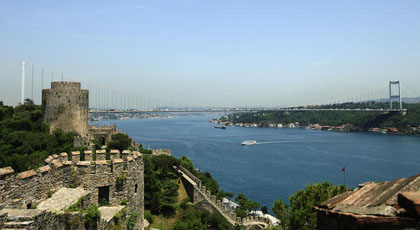
The Bosphorus Strait links the Black Sea with the Sea of Marmara and separates the European and Asian sides of the city. Its shores are lined with palaces, mosques, fortresses and wooden yali mansions, and the best way to see them is from the water.
Hagia Sophia
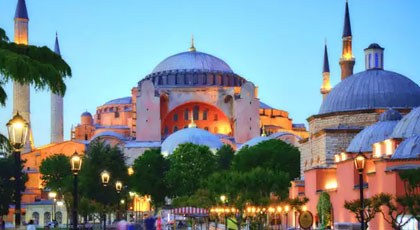
The present Hagia Sophia was completed in 537 under Emperor Justinian, on a site where churches had stood since the 4th century. After the Ottoman conquest in 1453 it became a mosque, served as a museum for most of the 20th century, and has been a mosque again since July 2020. Since 15 January 2024 foreign visitors enter by a separate route to the upper gallery for a fee (EUR 25), while the ground floor is reserved for prayer.
Topkapi Palace
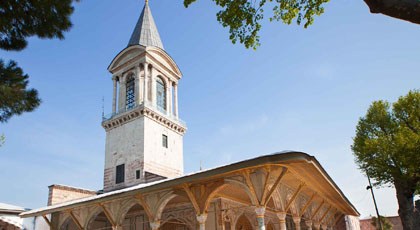
For around four centuries the sultans ruled the Ottoman Empire from Topkapi Palace, on the tip of the historic peninsula. Its courtyards, pavilions, treasury and Harem show how the court and the imperial family lived, and its terraces look out over the Bosphorus and the Golden Horn.
Grand Bazaar
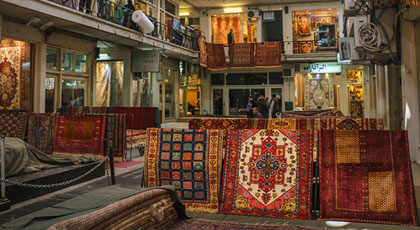
The Grand Bazaar in Beyazit has been trading for more than 550 years and is one of the oldest covered markets in the world. Its maze of vaulted lanes is filled with carpets, jewellery, ceramics, lamps and leather goods. Expect to get a little lost, which is part of the fun.
Basilica Cistern
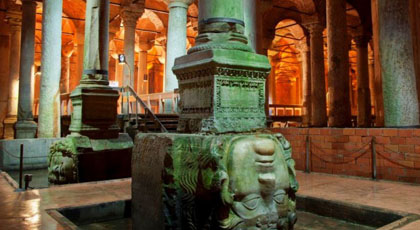
Built in the 6th century to store water for the Great Palace of the Byzantine emperors, the Basilica Cistern is a forest of marble columns standing in shallow water, with two Medusa heads used as column bases. It reopened in 2022 after a major restoration and has also hosted concerts and art events.
Galata Tower
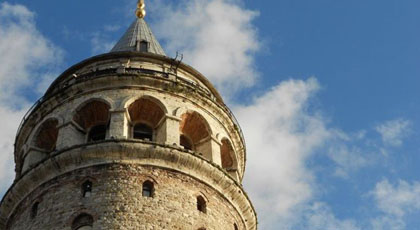
The Genoese built Galata Tower in 1348, and its viewing gallery gives a 360-degree panorama of the old city, the Golden Horn and the Bosphorus. Since 2020 it has been run as a museum by the Ministry of Culture. A local saying claims that a couple who climb it together for the first time will marry.
Spice Bazaar (Egyptian Bazaar)
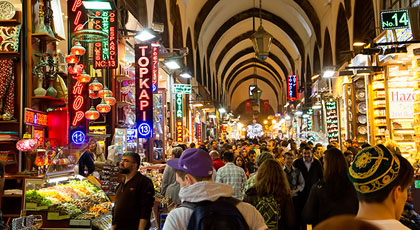
Next to the New Mosque in Eminonu, the Spice Bazaar dates from the 17th century. Spices, herbs, dried fruit, teas and Turkish delight are sold here, as they have been for centuries, when many herbs were valued as remedies.
Suleymaniye Mosque
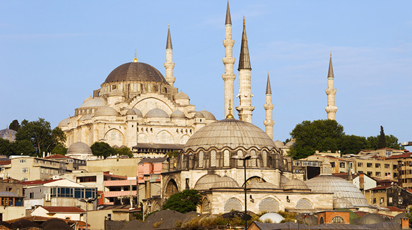
Designed by the great architect Mimar Sinan for Suleyman the Magnificent and completed in the 1550s, the Suleymaniye Mosque crowns one of Istanbul's hills. Its calm interior and its terrace over the Golden Horn make it a quieter alternative to the Blue Mosque.
Eyup Sultan Mosque
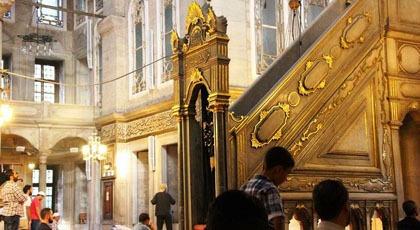
At the head of the Golden Horn, the Eyup Sultan Mosque and mausoleum is one of the most revered places of pilgrimage in Turkey. Its courtyard is shaded by an old plane tree, and the water of its fountain is considered blessed. From here you can ride the cable car up to Pierre Loti Hill for tea with a view.
Chora (Kariye) Mosque
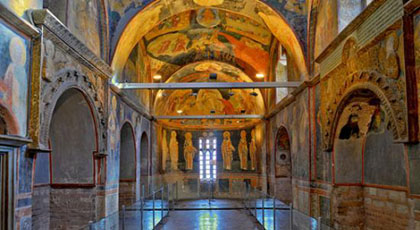
The name Chora comes from a Greek word for "countryside", as the original monastery stood outside the early city walls. Its 14th-century mosaics and frescoes are among the finest surviving Byzantine art anywhere. Chora became a mosque again in 2020 and reopened on 6 May 2024, with a fee for foreign visitors; it is closed to tourists on Fridays.
Bosphorus Palaces and Landmarks
Many of Istanbul's grandest buildings face the water. You can visit them on foot, but a cruise lets you see the whole sequence in one go. A private Bosphorus yacht cruise is a comfortable way to do this with your own group and your own timing.
Dolmabahce Palace
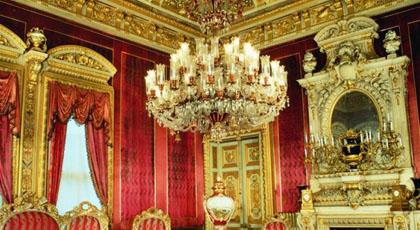
Sultan Abdulmecid moved the court to Dolmabahce Palace in 1856. Built on the European shore in a lavish, European-influenced style, it is the largest palace in Turkey. It also holds a special place for the Turkish public, as Ataturk, the founder of the Republic, died here in 1938.
Beylerbeyi Palace
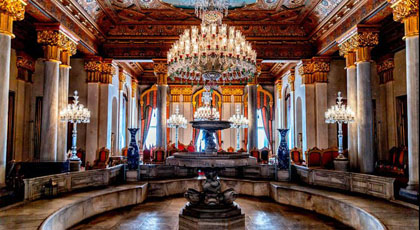
On the Asian shore below the Bosphorus Bridge, Beylerbeyi Palace was a summer residence for the sultans. Its carved woodwork and gilded decoration are remarkable, and it received foreign heads of state both in Ottoman times and during the Republic.
Maiden's Tower
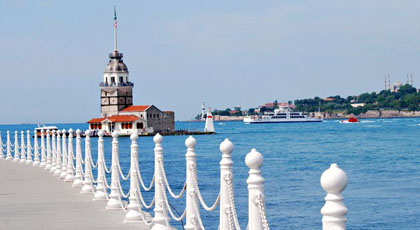
The Maiden's Tower stands on a tiny islet off Uskudar and is the subject of countless legends. The area's ancient name, Damalis, is linked to the story of the wife of the Athenian commander Chares. The tower reopened in 2023 after restoration.
Rumeli Fortress
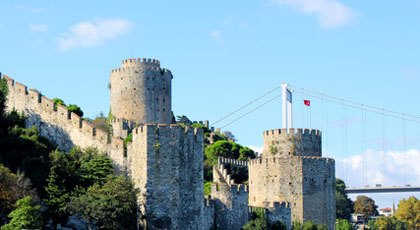
Mehmed II built Rumeli Fortress in 1452, the year before he conquered Constantinople. With three large towers and long walls climbing the hillside, it faces Anadolu Fortress across the narrowest point of the Bosphorus.
Historical Places in and around Sultanahmet Square
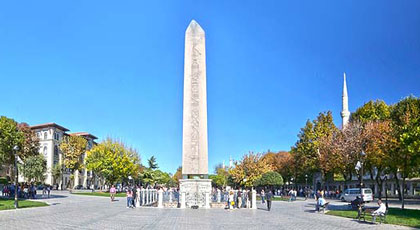
Sultanahmet Square was the Hippodrome of Constantinople, where chariot races were held in Byzantine times. Locals still call it At Meydani, the Horse Square. A guided Istanbul old city tour covers most of the sights below in a day.
Monuments on the Hippodrome
- The Obelisk of Theodosius: carved in Egypt for Pharaoh Thutmose III around the 15th century BC and erected here in 390 AD.
- The Serpent Column: brought from the Temple of Apollo at Delphi; a Byzantine legend credited it with keeping snakes out of the city.
- The Walled Obelisk: a stone obelisk of roughly 32 metres at the southern end of the square.
- The German Fountain: a gift from Kaiser Wilhelm II to mark Turkish-German friendship, made in Germany, assembled in Istanbul and opened in 1901.
Blue Mosque (Sultanahmet Mosque)
Built for Sultan Ahmed I between 1609 and 1617 by the architect Sedefkar Mehmed Agha, a pupil of Mimar Sinan, the Blue Mosque takes its nickname from the blue, green and white Iznik tiles and the blue painted decoration of its domes. It is an active mosque with six minarets.
Ibrahim Pasha Palace
The palace of Ibrahim Pasha, grand vizier to Suleyman the Magnificent, now houses the Museum of Turkish and Islamic Arts, with a fine collection of carpets, manuscripts and woodwork.
Istanbul Archaeology Museums
Founded by the painter and museum director Osman Hamdi Bey as the Imperial Museum, the Istanbul Archaeology Museums opened to visitors on 13 June 1891 in the first building in Turkey designed as a museum. The collections cover civilisations from across the former empire.
Hagia Irene
Standing in the first courtyard of Topkapi Palace, next to Hagia Sophia, Hagia Irene is the largest Byzantine church in Istanbul that was never converted into a mosque.
Foundations Carpet Museum
The Foundations Carpet Museum displays carpets and prayer rugs donated to mosques and tombs from the Seljuk and Ottoman periods, woven in Anatolian centres between the 14th and 20th centuries, alongside Iranian and Caucasian pieces.
Sogukcesme Street
Squeezed between Hagia Sophia and the outer wall of Topkapi Palace, Sogukcesme Street is a short, cobbled lane of restored wooden Ottoman houses with a Roman-era cistern.
Little Hagia Sophia
Emperor Justinian and Empress Theodora built the church of Saints Sergius and Bacchus in the 530s. Converted into a mosque around 1500, it is now known as the Little Hagia Sophia Mosque.
Istanbul Travel Tips for First-Time Visitors
A few simple habits will make your stay smoother. For more detail, see our Istanbul travel tips and things to know before visiting Turkey.
- Ask before photographing local people.
- Take your shoes off when entering a mosque or someone's home. Dress modestly for mosques: cover shoulders and knees, and women should bring a scarf for their hair. Mosques close to visitors during prayer times.
- Alcohol is served in licensed restaurants, bars and hotels; drinking it in the street or near mosques is frowned upon.
- Bargaining is normal in bazaars. Compare prices in a few shops before you buy.
- Most locals drink bottled water rather than tap water.
- Be wary of street touts, including people selling tours on the street. Book tours online or through a licensed agency.
- Carry your passport or a copy, and some cash for small purchases.
- Check whether you need a visa before you travel; our e-visa guide explains the process.
- Istanbul has two airports: Istanbul Airport (IST) on the European side, which replaced Ataturk Airport for passenger flights in 2019, and Sabiha Gokcen (SAW) on the Asian side. Both are a long way from the centre, so allow plenty of time for transfers.
- Summers are hot, so pack light, comfortable clothes; bring warmer layers and a rain jacket for the rest of the year.
- Ask locals where they eat, and check your bill before paying. Our guide to where to eat in Istanbul has suggestions.
Practical Information About Istanbul
- Currency: Turkish lira (TL). Euros, US dollars and pounds are easy to exchange.
- Cards: Visa and Mastercard are widely accepted; American Express less so. Traveller's cheques are difficult to change and expensive.
- Electricity: type F sockets (two round pins), 220-230 V, 50 Hz.
- Time zone: UTC+3 all year, with no daylight saving changes.
- Weather: four distinct seasons, with hot summers and cool, wet winters. Spring and autumn are the most pleasant times to visit.
- Food: Istanbul's cuisine blends Ottoman, Anatolian, Balkan and Middle Eastern traditions. Start with our guide to Turkish cuisine.
Istanbul's lifestyle mixes East and West, old and new, often on the same street. Give yourself time to wander beyond the main sights, and if you would like help planning, browse our Istanbul tours.
Frequently asked questions
How many days do you need in Istanbul?
Three to four days lets you see the main Sultanahmet sights, take a Bosphorus cruise and explore Beyoglu or the Asian side. With a week you can add the Princes' Islands and quieter neighbourhoods such as Balat.
Is Hagia Sophia a museum or a mosque?
Hagia Sophia has been a mosque again since July 2020. Since January 2024 foreign visitors use a separate route to the upper gallery for a fee, while the ground floor is used for prayer.
Which airport is closer to Istanbul's old city?
Neither is close. Istanbul Airport (IST) is on the European side north-west of the city and Sabiha Gokcen (SAW) is on the Asian side; allow plenty of time for the transfer from either.
What is the best area to see first in Istanbul?
Most visitors start in Sultanahmet, where Hagia Sophia, the Blue Mosque, Topkapi Palace and the Basilica Cistern are within walking distance, then see the Bosphorus by boat.
Planning Istanbul? Add a private Bosphorus cruise
The Bosphorus is the highlight of most trips. Charter your own yacht with crew for your family, friends or team, from 2 hours to a full day.